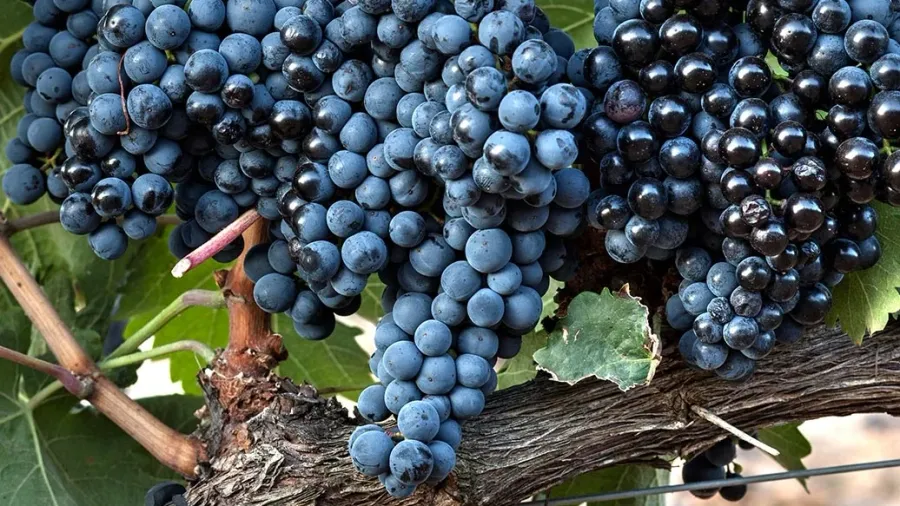
Ripe wine grapes on the vine

Home / Crops / Wine grapes

Wine grapes · Wyndruiwe

Independent agronomy for wine grape vineyards.

From the pre-plant soil survey to the véraison leaf sample, we measure each block and advise on what it needs — independent of any fertiliser supplier, and with the wine in mind, not just the yield.

What we measure, and when

A wine grape season, measured.

Each sample is timed to the crop stage where it tells you the most. We work across Swartland, Stellenbosch, Paarl, Breedekloof, Robertson and the other Western Cape wine regions.

Season, July to JuneJulAugSepOctNovDecJanFebMarAprMayJun
Budbreak to floweringSepOctNov
Véraison to harvestDecJanFebMar
Leaf & petiole sampleFull bloom, leaves opposite the bunchOctNov
Leaf & petiole sampleVéraisonDecJan
Soil samplingPost-harvest, topsoil and subsoilMarAprMay
Pre-plant soil surveyDeep profile, before soil preparationFebMarAprMayJun
Soil moisture monitoringProbes through the growing seasonSepOctNovDecJanFebMarApr
Crop stageLeaf samplingSoil samplingMoisture monitoringTiming is approximate and shifts with region, cultivar and season.

What we look for

Where wine grapes gain or lose quality.

The questions we put to every block's numbers — answered independently, with no product attached to the answer.

Acid subsoils

Many Western Cape vineyard soils are acidic below the cultivated layer, and roots stop where the acidity starts. Surface lime takes years to get there, so the best chance to correct it is before planting, when lime can be worked in deep.

Potassium and juice pH

Too much potassium in the vine raises juice pH and costs the winemaker acidity. We track K in the soil and the petioles and apply what the vine needs — not what a programme template says.

Nitrogen and vigour

Enough nitrogen for a healthy canopy and enough yeast-available nitrogen in the must; too much brings excess vigour, shaded bunches and more rot. Timing matters as much as the amount.

Magnesium and K:Mg balance

On sandy and acid soils magnesium runs short, and heavy potassium makes it worse. The ratio between them often explains a block better than either number alone.

Boron and zinc at flowering

Small amounts with a large effect on fruit set and berry size. Leaf analysis at bloom shows whether they are limiting before it costs the crop.

Variable blocks

Vigour maps from satellite imagery show where a block differs, so sampling targets the difference and harvest can be split by zone where the winemaker wants it.


What you get back

Numbers you can act on, kept season after season.

We keep every result, so this season's numbers always sit beside last season's — and you get a written report after every visit.

  • Soil maps per block for pH, base saturation and the ratios that matter for vines
  • Leaf and petiole results at bloom and véraison, plotted season on season
  • Lime and gypsum prescriptions per zone, including pre-plant deep correction
  • A fertiliser programme by nutrient, bought from whichever supplier you choose
  • Probe readings with refill and full points for irrigation decisions
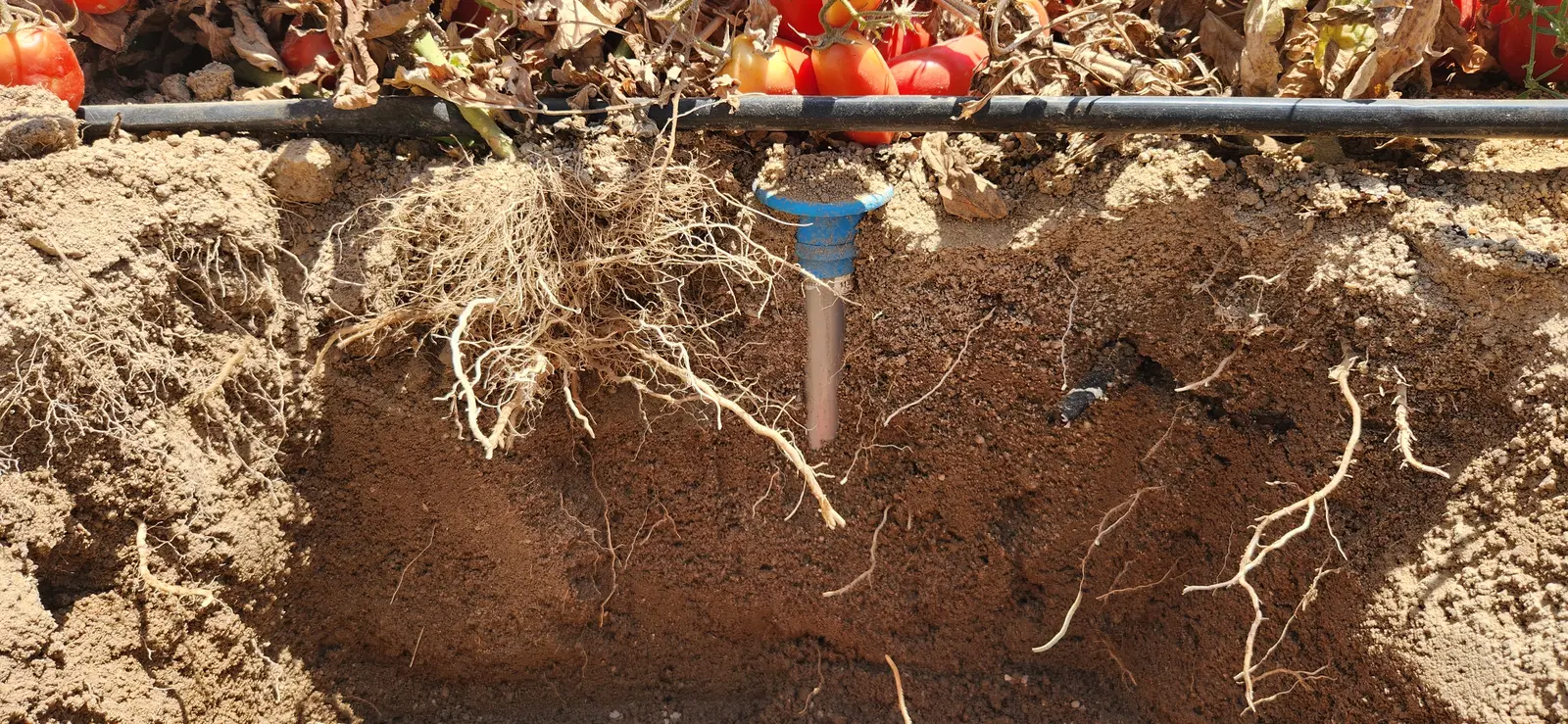
A capacitance soil moisture probe installed in a profile pit, with roots exposed in the soil wall
A probe set in the profile, where the roots are actually working.
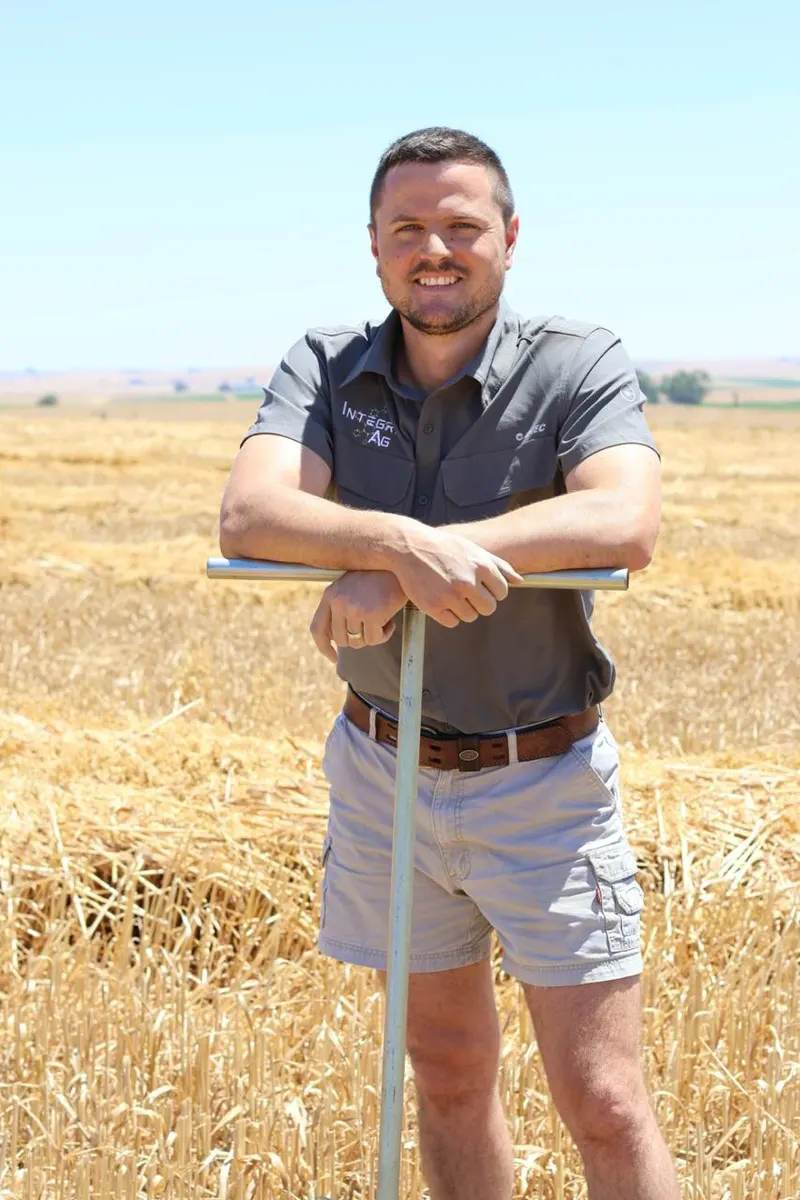
Evert Bergh, agronomist at Integri Ag, in a harvested field with a soil sampling probe

Contact

Talk to an independent agronomist about your wine grapes.

Evert Bergh, agronomist. Based in Durbanville, serving farmers across Swartland, Stellenbosch, Paarl, Breedekloof, Robertson and the other Western Cape wine regions, and nationally.

Book your free first farm visit

We walk the lands with you, look at what you already have — soil and leaf results, probe data — and tell you honestly where the gains are. No cost, no obligation.

Interested in

Opens WhatsApp or your email with the message written out — nothing is stored on this site.