

Fruit cracking
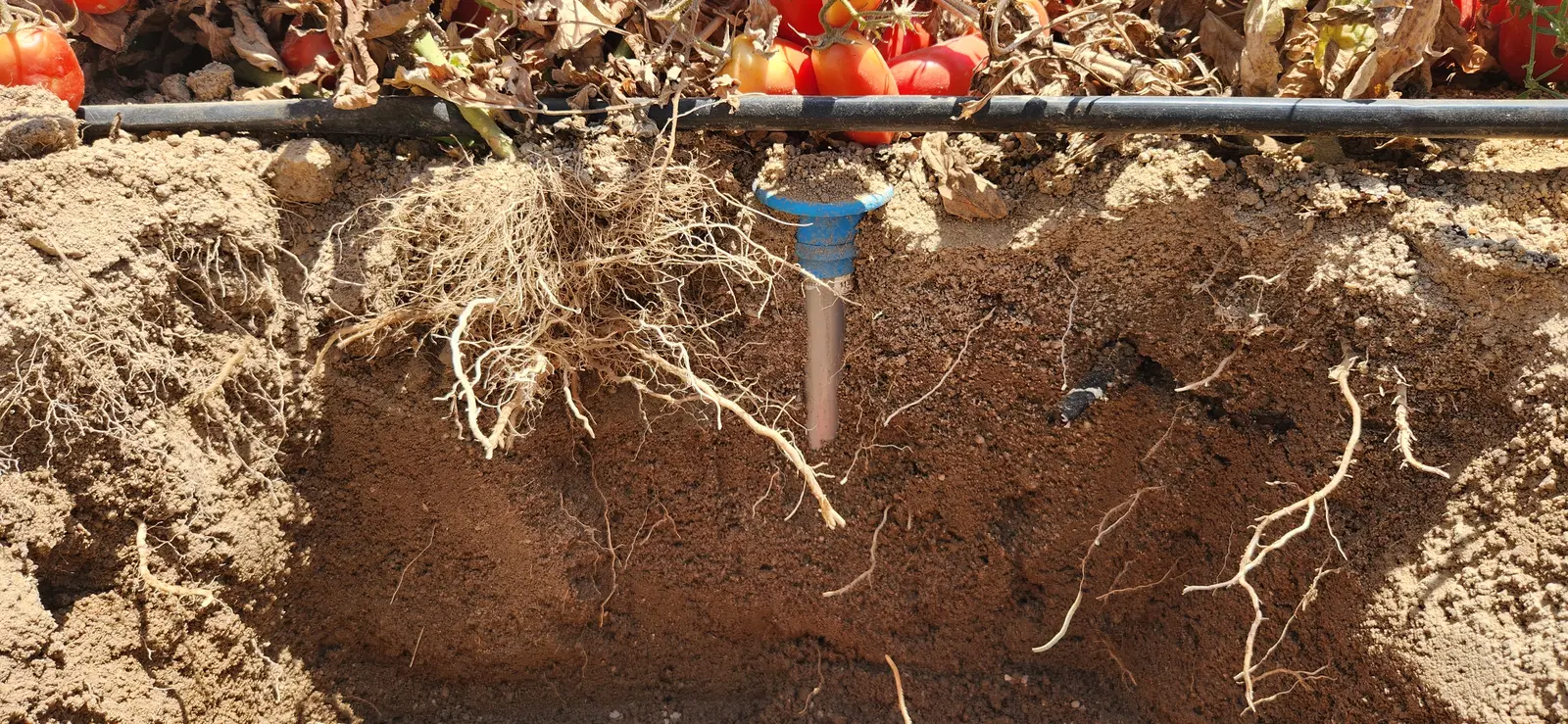
Cracking follows uneven water supply — above all a heavy irrigation or rain after a dry spell late in fruit development. Steady moisture in the root zone is the first defence, and probes are how you keep it steady.
Pomegranates · Granate
Cracked and sunburnt fruit is where pomegranate profit goes. We measure the soil, the leaves and the water through the season, and advise independently of any supplier — with steady moisture and a strong post-harvest programme at the centre.
What we measure, and when
Each sample is timed to the crop stage where it tells you the most. We work across the Western Cape and the Karoo.
| Season, July to June | Jul | Aug | Sep | Oct | Nov | Dec | Jan | Feb | Mar | Apr | May | Jun |
|---|---|---|---|---|---|---|---|---|---|---|---|---|
| Budbreak | Aug | Sep | ||||||||||
| FloweringExtended, several waves | Oct | Nov | Dec | |||||||||
| Fruit development | Dec | Jan | Feb | Mar | ||||||||
| HarvestWonderful and later cultivars | Feb | Mar | Apr | |||||||||
| Leaf sampleMid-season, same stage every year | Dec | Jan | ||||||||||
| Soil samplingPost-harvest | Apr | May | Jun | |||||||||
| Soil moisture monitoringSteady supply through fruit fill | Sep | Oct | Nov | Dec | Jan | Feb | Mar | Apr |
What we look for
The questions we put to every block's numbers — answered independently, with no product attached to the answer.
Cracking follows uneven water supply — above all a heavy irrigation or rain after a dry spell late in fruit development. Steady moisture in the root zone is the first defence, and probes are how you keep it steady.
Both strengthen the rind and help it stretch as the fruit fills. We check them in the leaf and soil and supply them early enough to count.
A balanced, well-fed canopy shades the fruit; weak or over-thinned trees expose it. Nutrition is part of sunburn control, not separate from it.
Potassium supports colour and sugar, but too much of it pushes out calcium and magnesium. We manage the balance between them.
The reserves a tree builds after harvest carry next spring's flowering and set. A post-harvest programme is one of the cheapest returns in the orchard.
Leaf norms for pomegranates are less established than for vines or citrus, so we read results against published ranges, your best-performing blocks and their own trend over seasons — and say so.
What you get back
We keep every result, so this season's numbers always sit beside last season's — and you get a written report after every visit.
Other crops
Contact
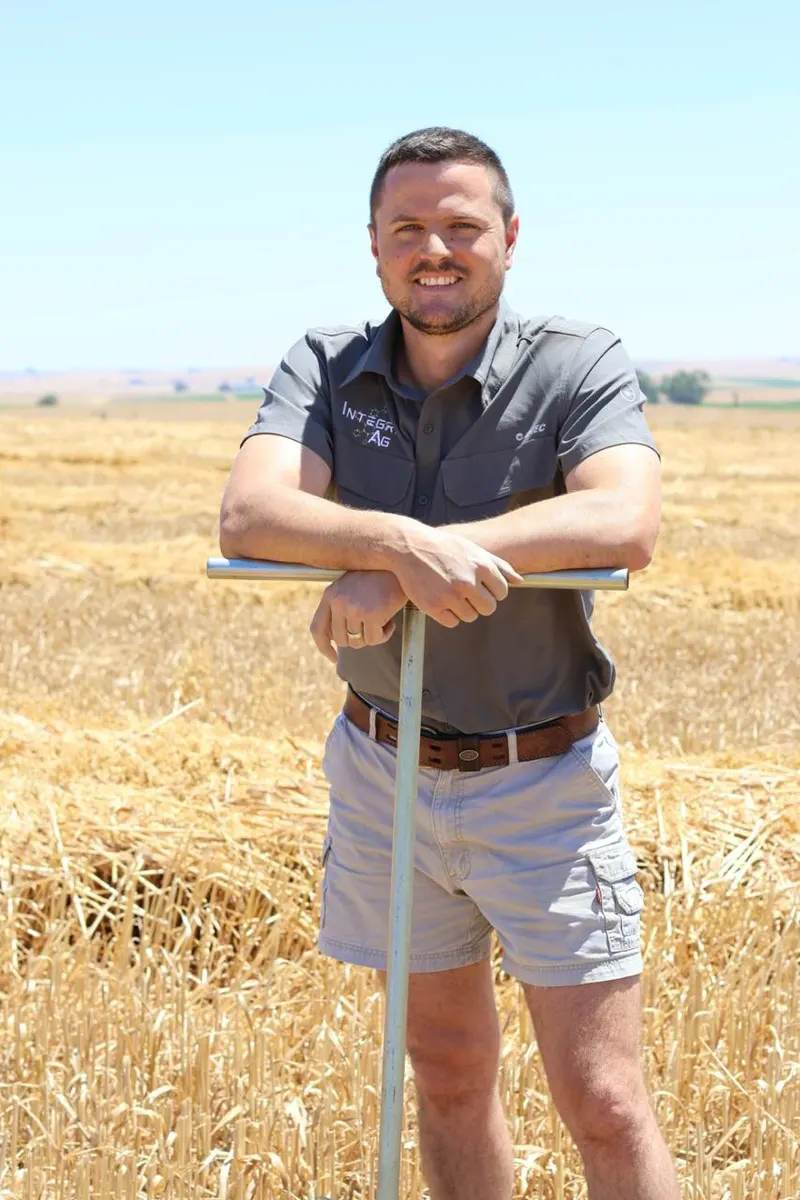
Evert Bergh, agronomist. Based in Durbanville, serving farmers across the Western Cape and the Karoo, and nationally.