

The right tissue at the right time
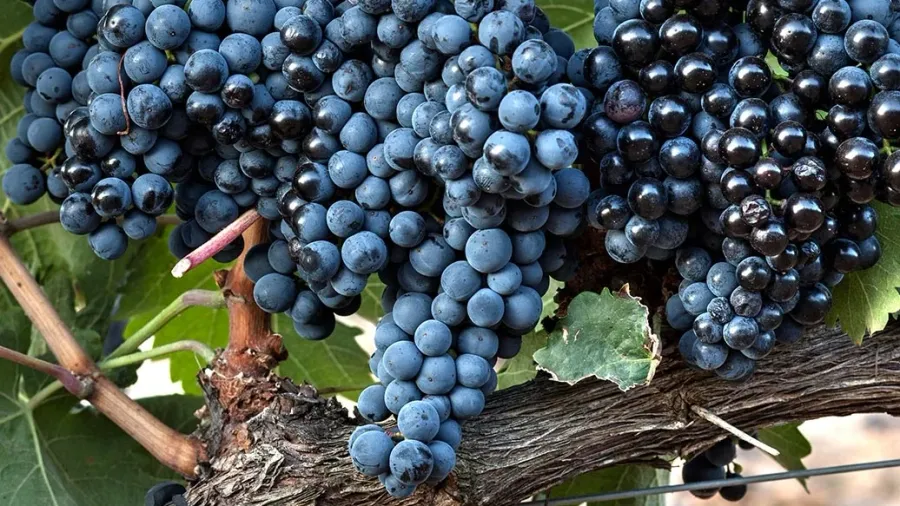
Norms only apply to the plant part and growth stage they were set for: petioles at bloom for vines, spring-flush leaves for citrus. A sample taken any other way can't be read against them.
Home / Services / Leaf analysis
Services · Leaf analysis
A soil analysis shows what is in the ground; a leaf analysis shows what the plant is getting. We sample the right tissue at the right stage and read it against the crop's norms, independently.
Why it matters
Norms only apply to the plant part and growth stage they were set for: petioles at bloom for vines, spring-flush leaves for citrus. A sample taken any other way can't be read against them.
One analysis is a snapshot. The same blocks sampled at the same stage every season show whether nutrition is improving or slipping.
A shortage can cost yield before any symptom shows on the leaves. The analysis finds it while there is still time to correct it.
Reading the leaf beside the soil analysis separates a true shortage from an uptake problem caused by pH, water or root health.
How we do it
1
Sampling timed to the crop's reference growth stage.
2
Representative leaves or petioles per block, taken the same way every time.
3
Macro- and micronutrients by an accredited laboratory.
4
Read against the crop's norms, the soil analysis and last season's results, with a recommendation.
What you get back
Questions
It depends on the crop: for vines usually at full bloom and véraison, for citrus on spring-flush leaves in late summer to autumn. Each crop page shows its own sampling calendar.
No, they answer different questions. The soil analysis shows what is available; the leaf analysis shows what the crop is taking up. Together they explain why a block performs the way it does.
Wine and table grapes, citrus, pomegranates, lucerne, grains and vegetables such as tomatoes and onions.
More from Integri Ag
Contact
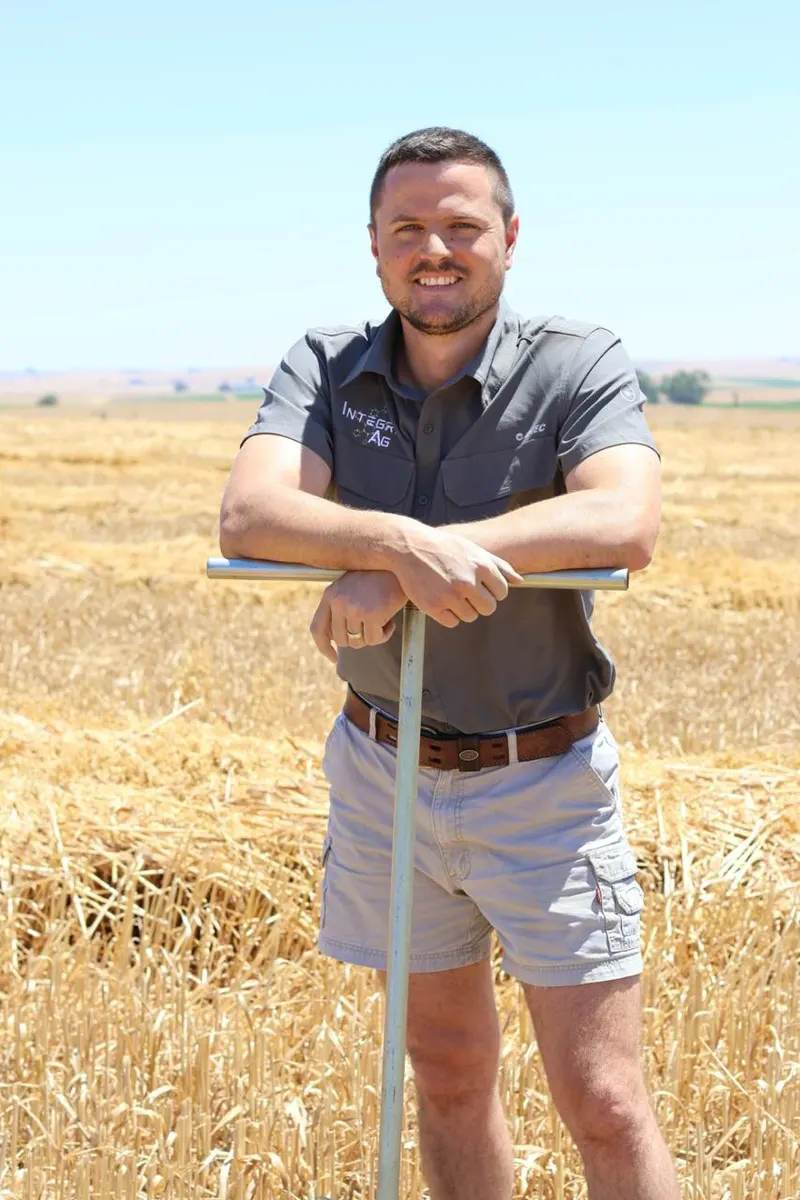
Evert Bergh, agronomist. Based in Durbanville, serving farmers across the Western Cape and nationally.