

One composite sample hides the problem
A single sample per land averages acid patches with good ones. Grid sampling shows where the land differs, which is exactly where lime and fertiliser should differ too.
Home / Services / Soil sampling & analysis
Services · Soil sampling & analysis
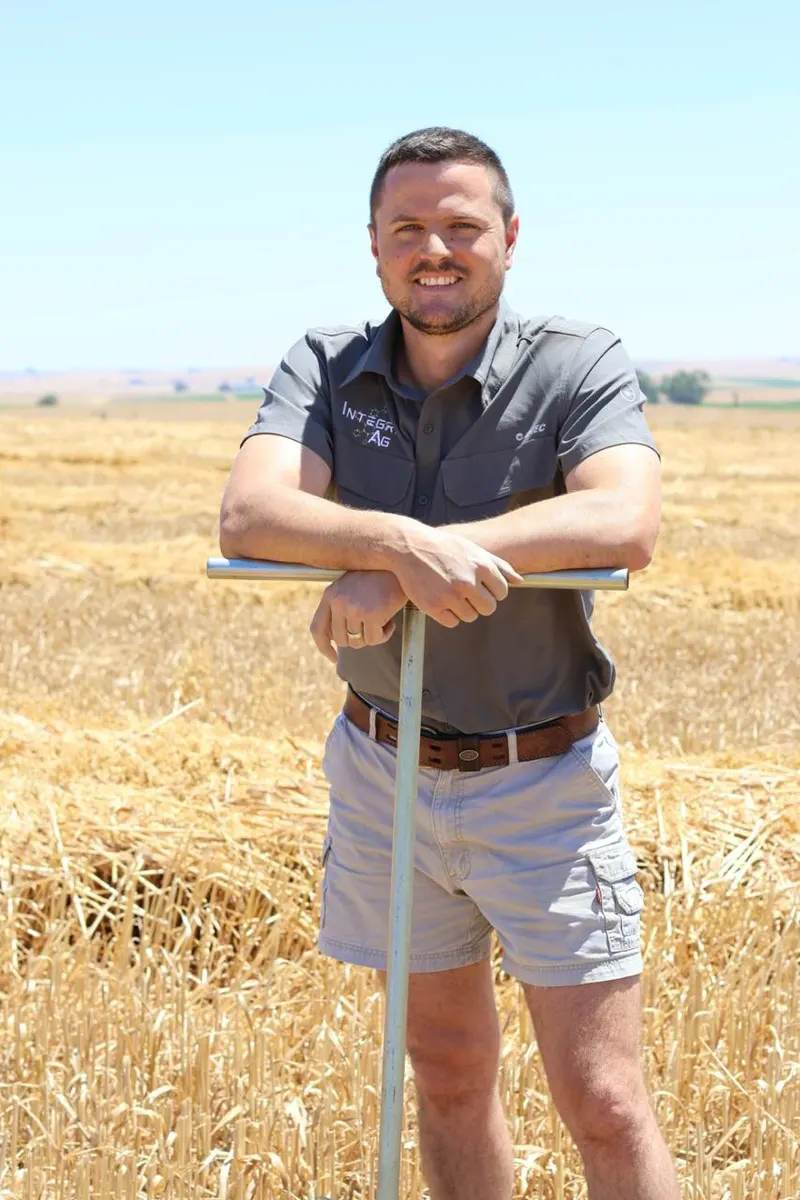
A soil analysis is only as good as the sample behind it and the person reading it. We sample every land on a GPS grid, have it analysed by an accredited laboratory, and interpret the results without a product to sell.
Why it matters
A single sample per land averages acid patches with good ones. Grid sampling shows where the land differs, which is exactly where lime and fertiliser should differ too.
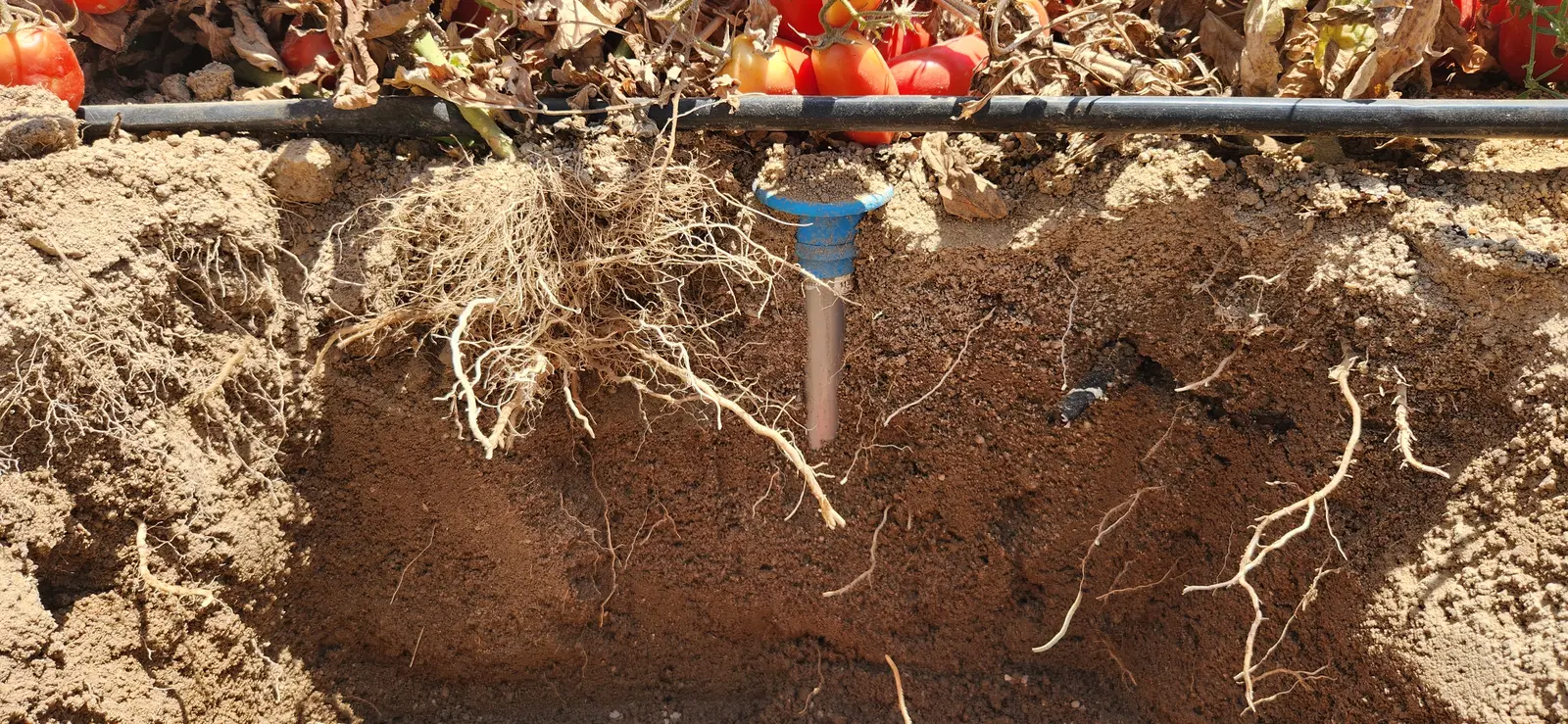
Acidity and compaction below 150 mm hold roots back even when the topsoil looks fine. We sample 0–150 mm and 150–300 mm so you see both.
GPS-logged points are resampled in the same place, so you can see whether pH, phosphorus and potassium actually moved after a correction.
Base saturation and the balance between calcium, magnesium and potassium often explain a weak block better than any single element.
How we do it
1
Grid density set by land size, history and crop, denser where the land is more variable.
2
Topsoil and subsoil at each GPS point, bagged and labelled to that point.
3
Accredited laboratory analysis for pH, P, K, Ca, Mg, Na, acidity and micronutrients.
4
Maps per element and depth, base saturation and ratios, with a recommendation per zone.
What you get back
Questions
Usually after harvest and before soil preparation or the next fertiliser application, so the results are in hand when decisions are made. For vines and orchards we often sample post-harvest or together with the leaf sample.
Subsoil acidity and compaction limit how deep roots go, and they don't show in a topsoil sample. Lime takes years to move down, so it's worth knowing before you plan a correction.
No. We're independent: we specify what's needed by nutrient and quantity, and you buy from whichever supplier you choose.
Yes. We're based in Durbanville and serve farmers all over the Western Cape, and nationally.
More from Integri Ag
Contact
Evert Bergh, agronomist. Based in Durbanville, serving farmers across the Western Cape and nationally.