

The right leaf, at the right age
Citrus leaf norms only hold for spring-flush leaves of the right age from non-fruiting shoots. Sampled any other way, a leaf analysis can't be read against them — so we sample it properly.
Citrus · Sitrus
Fruit size and rind quality are made by nutrition and water over the whole year. We sample the right leaves at the right age, map the soil where the roots actually feed, and advise independently of any supplier.
What we measure, and when
Each sample is timed to the crop stage where it tells you the most. We work across the Olifants River Valley — Citrusdal and Clanwilliam — and elsewhere in the Western Cape.
| Season, July to June | Jul | Aug | Sep | Oct | Nov | Dec | Jan | Feb | Mar | Apr | May | Jun |
|---|---|---|---|---|---|---|---|---|---|---|---|---|
| Flowering & fruit set | Aug | Sep | Oct | |||||||||
| Cell division & fruit sizing | Oct | Nov | Dec | Jan | Feb | Mar | Apr | |||||
| HarvestVaries by cultivar: mandarins, navels, Valencias | Jul | Aug | Sep | Apr | May | Jun | ||||||
| Leaf sampleSpring-flush leaves, 4–7 months old | Feb | Mar | Apr | |||||||||
| Soil samplingWith the leaf sample, under the emitters | Feb | Mar | Apr | May | ||||||||
| Soil moisture monitoringYear round — citrus never stops | Jul | Aug | Sep | Oct | Nov | Dec | Jan | Feb | Mar | Apr | May | Jun |
What we look for
The questions we put to every block's numbers — answered independently, with no product attached to the answer.
Citrus leaf norms only hold for spring-flush leaves of the right age from non-fruiting shoots. Sampled any other way, a leaf analysis can't be read against them — so we sample it properly.
Nitrogen drives set and fruit size, but late or excessive nitrogen gives coarse rinds and delays colour. The timing is worth as much as the amount.
Potassium supports fruit size and rind strength; too little is linked to small fruit and rind disorders in some cultivars, too much to coarse rind. We aim for the middle.
Magnesium, zinc, manganese and boron shortages are common in heavy-cropping orchards and on acid soils, and show up first in the leaf analysis.
Years of fertigation acidify the soil right under the emitters while the work row stays unchanged. We sample where the roots actually feed, so the lime goes where it's needed.
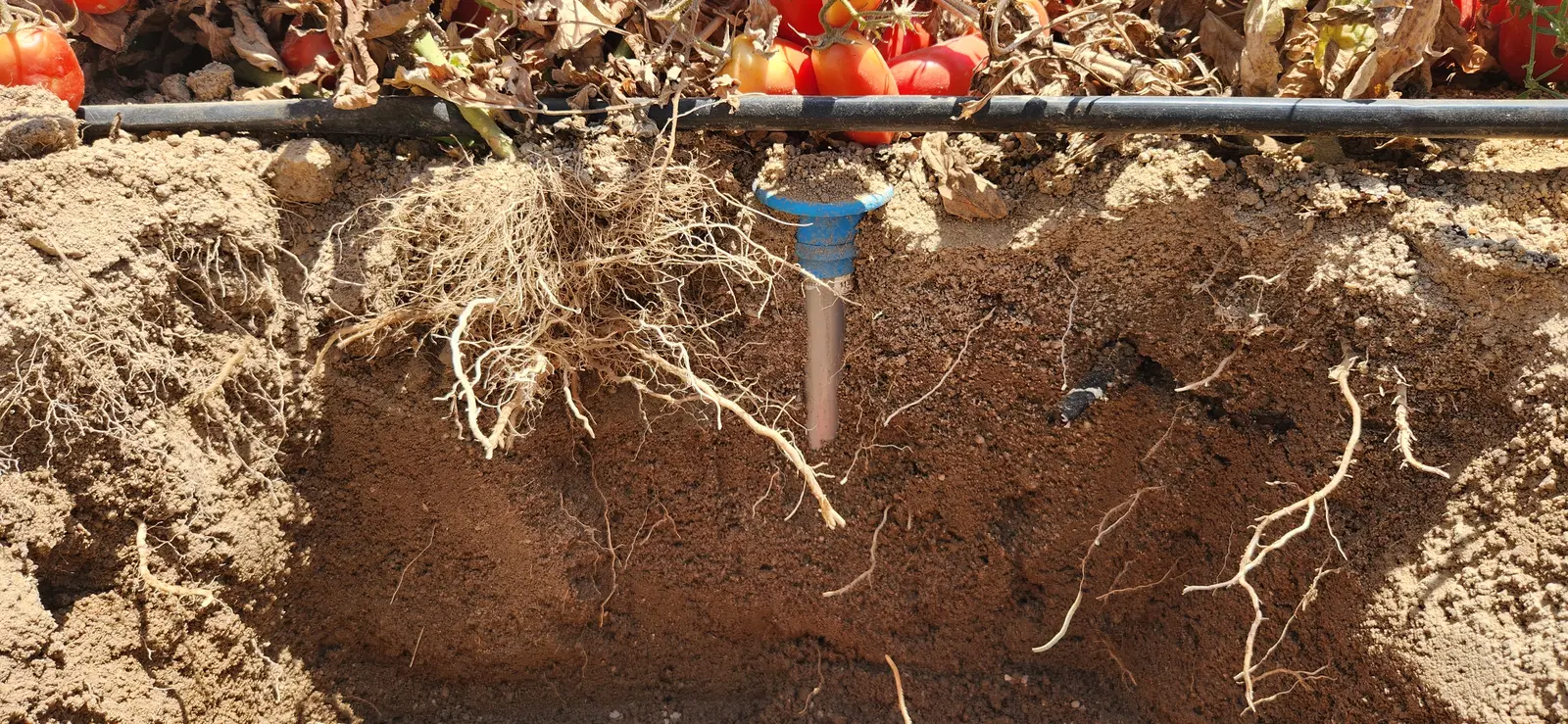
Most citrus feeder roots sit in the top of the profile. Probes show how deep each irrigation goes and whether the wetted zone matches the root zone.
What you get back
We keep every result, so this season's numbers always sit beside last season's — and you get a written report after every visit.
Other crops
Contact
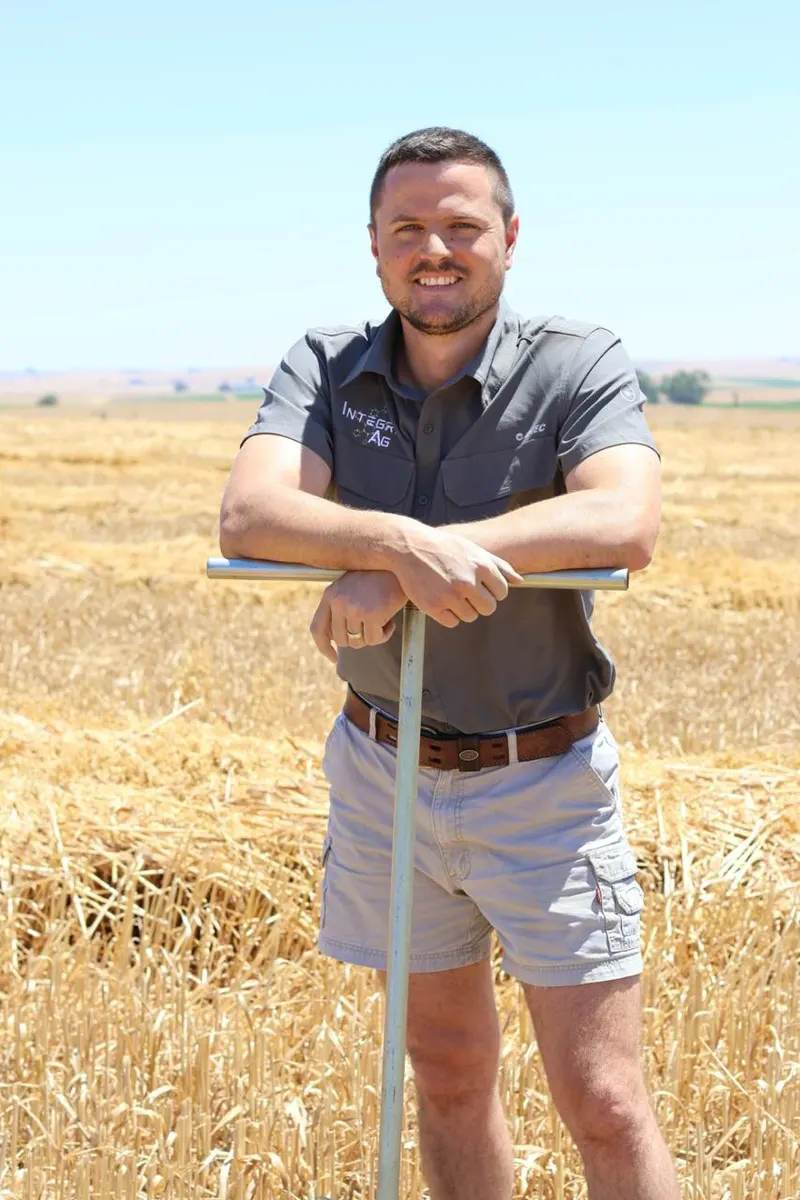
Evert Bergh, agronomist. Based in Durbanville, serving farmers across the Olifants River Valley — Citrusdal and Clanwilliam — and elsewhere in the Western Cape, and nationally.