

Calcium and berry firmness
Most of the calcium a berry will ever hold goes in early, during cell division. Firmness and shelf life in the cold chain depend on it, so calcium is managed in spring — not rescued at véraison.
Table grapes · Tafeldruiwe
Berry size, firmness and colour are decided in the vineyard long before the pack shed. We measure the soil, the leaves and the water, and advise independently of any supplier — so the programme is built for the cold chain, not for a product list.
What we measure, and when
Each sample is timed to the crop stage where it tells you the most. We work across the Hex River Valley, Berg River, Olifants River and elsewhere in the Western Cape.
| Season, July to June | Jul | Aug | Sep | Oct | Nov | Dec | Jan | Feb | Mar | Apr | May | Jun |
|---|---|---|---|---|---|---|---|---|---|---|---|---|
| Budbreak to flowering | Aug | Sep | Oct | |||||||||
| Berry set & cell division | Oct | Nov | ||||||||||
| HarvestVaries widely by cultivar and region | Nov | Dec | Jan | Feb | Mar | Apr | ||||||
| Leaf & petiole sampleFull bloom | Sep | Oct | ||||||||||
| Leaf & petiole sampleVéraison | Nov | Dec | Jan | |||||||||
| Soil samplingPost-harvest, topsoil and subsoil | Mar | Apr | May | |||||||||
| Soil moisture monitoringProbes through the growing season | Aug | Sep | Oct | Nov | Dec | Jan | Feb | Mar | Apr |
What we look for
The questions we put to every block's numbers — answered independently, with no product attached to the answer.
Most of the calcium a berry will ever hold goes in early, during cell division. Firmness and shelf life in the cold chain depend on it, so calcium is managed in spring — not rescued at véraison.
Excess nitrogen gives soft berries, poor colour on red cultivars and more botrytis. We keep nitrogen to what the canopy needs, measured rather than assumed.
Potassium supports sugar accumulation and colour, but it competes with calcium and magnesium. The balance between them is what we manage.
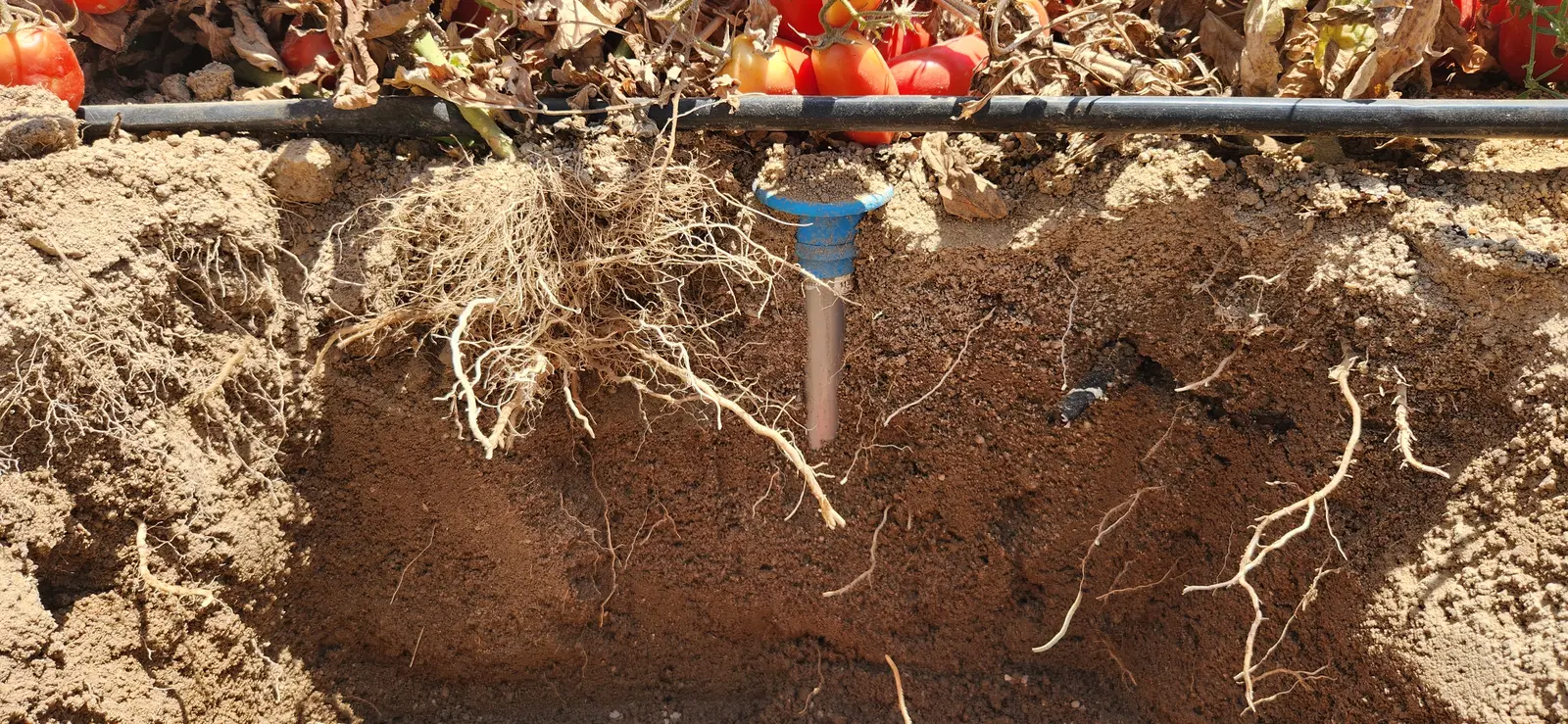
Water stress during cell division limits berry size for good, and irregular irrigation near harvest is linked to splitting. Probes show what the root zone holds, so irrigation stays steady.
Boron shortage at bloom shows up later as poor set and uneven bunches. The bloom leaf sample is there to catch it in time.
Spray and fertiliser records kept per block, with crop passports ready when an auditor or a buyer asks.
What you get back
We keep every result, so this season's numbers always sit beside last season's — and you get a written report after every visit.
Other crops
Contact
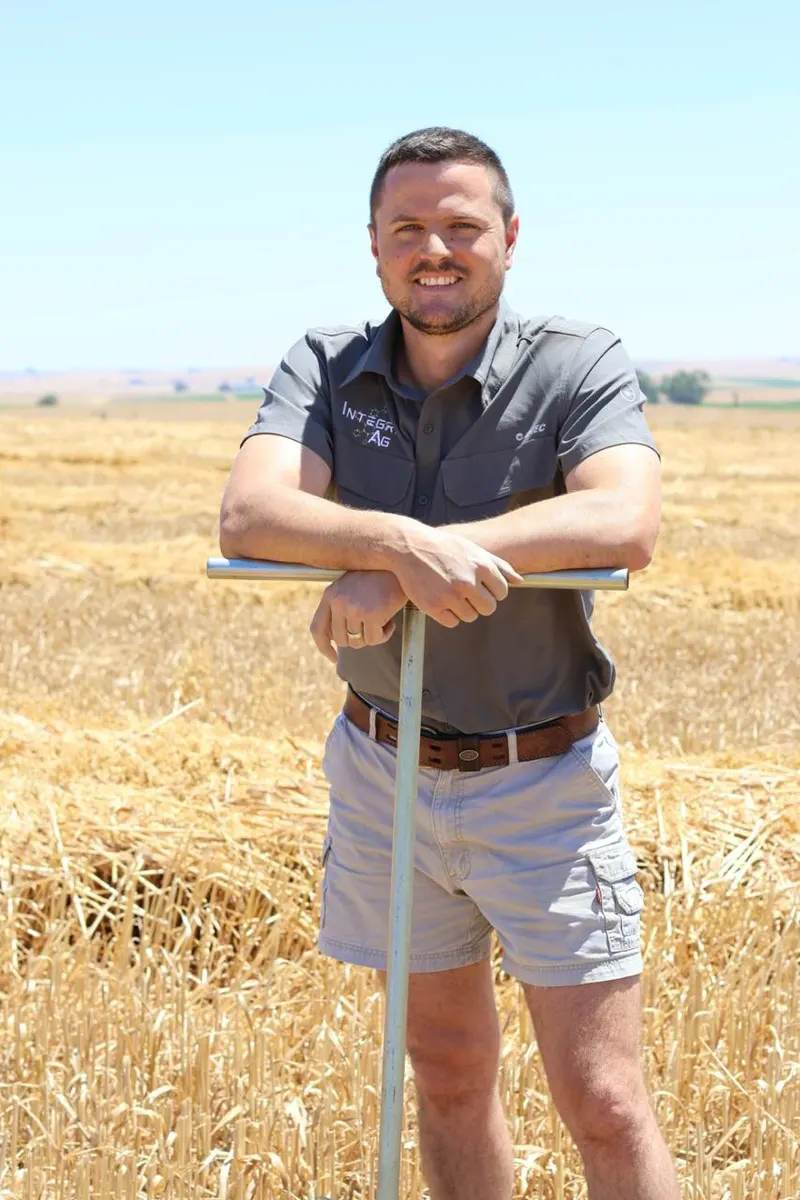
Evert Bergh, agronomist. Based in Durbanville, serving farmers across the Hex River Valley, Berg River, Olifants River and elsewhere in the Western Cape, and nationally.